
Braces vs. Invisalign in Richmond, VA: Which Orthodontic Option Is Right for Your Family in 2026?
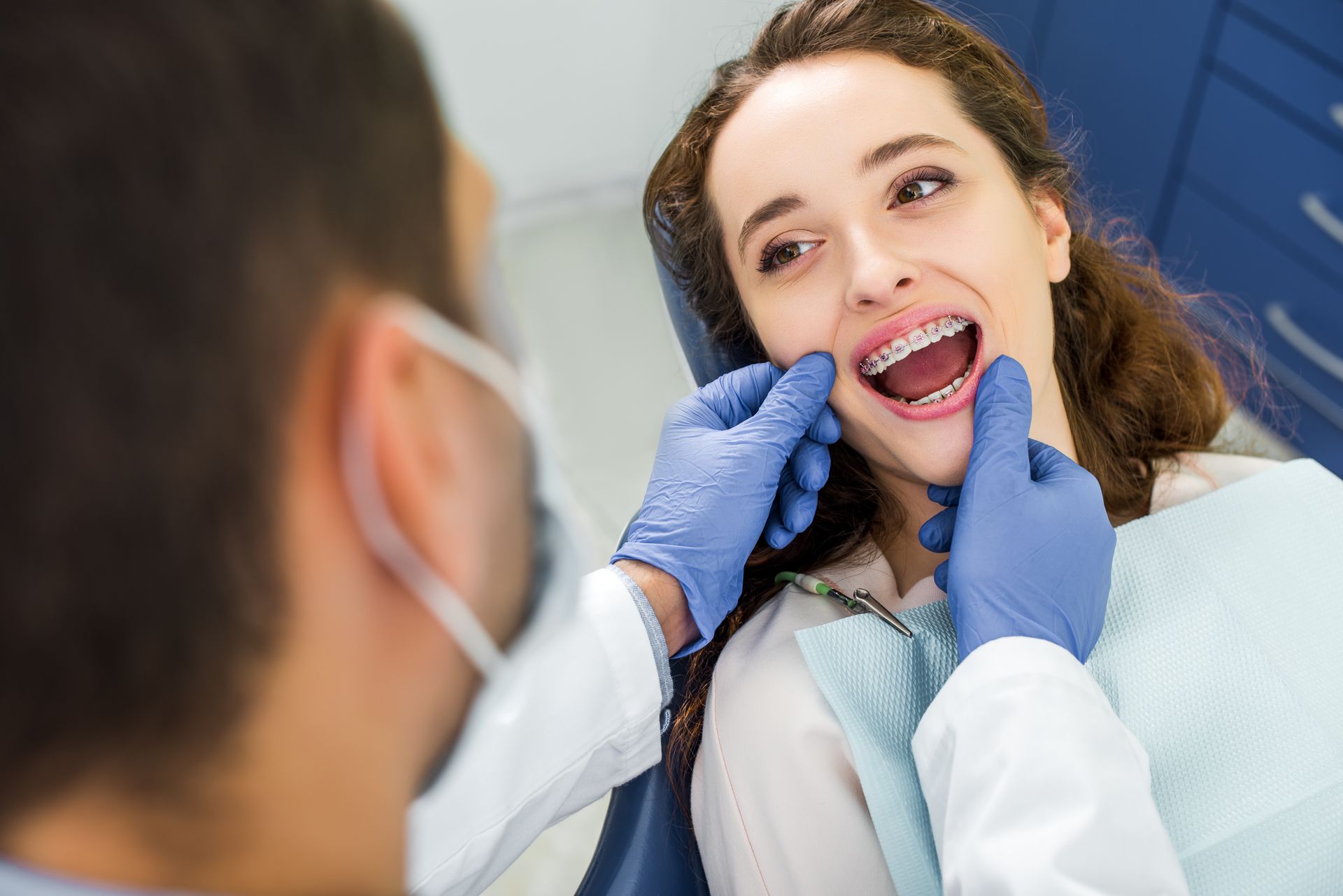
Choosing an orthodontic treatment is one of the most common decisions Richmond, VA, parents and adults face. Both traditional braces and Invisalign can deliver straighter, healthier smiles, but they work differently and suit different patients. Understanding how each option compares across age groups, lifestyle needs, and treatment timelines can help your family make a confident, well-informed choice.
How Braces and Invisalign Actually Work
Traditional braces use metal brackets bonded to each tooth and connected by an archwire that your provider adjusts periodically to guide movement. The system works continuously without any action required from the patient.
Invisalign straightens teeth using a series of clear, customized, removable aligners. It is virtually undetectable, and each aligner is worn for about two weeks, removed only to eat, brush, and floss. As you progress through each aligner, your teeth move gradually until the final prescribed alignment is reached.
Which Option Is Better for Kids, Teens, and Adults?
The best fit depends on a patient's age, maturity, and case complexity.
Younger Children
Children with significant bite issues or crowding often benefit more from traditional braces. Metal braces ensure precise movement for long-lasting results and allow providers to address jaw development concerns during key growth windows.
Teenagers
Teens can typically do well with either option, but lifestyle often drives the decision. Students involved in sports or other activities find aligners more convenient since they can be removed when needed. However, teens who may struggle with wearing aligners the required hours each day may see better results with fixed braces.
Adults
Invisalign is a top choice for adult orthodontics in Richmond. Adults in professional settings often prefer the discreet treatment process. That said, adults with more complex bite correction needs may find traditional or clear braces deliver more precise outcomes.
Comparing Treatment Timelines
Treatment length varies based on case complexity. Most patients complete Invisalign treatment within 10 to 24 months, with more severe cases requiring longer wear. Traditional braces follow a similar range but work without relying on patient compliance. Invisalign requires wearing aligners 20 to 22 hours per day for results to stay on track.
Lifestyle Considerations for Richmond Families
Daily life plays a real role in which treatment works best. Richmond, VA, families navigating active schedules, school sports, and busy routines should weigh these practical factors when exploring their orthodontics options.
- Invisalign aligners are removed for meals, so there are no food restrictions during treatment.
- Braces require avoiding hard, sticky, or chewy foods that could damage brackets or wires.
- Oral hygiene is easier with Invisalign since aligners come out for brushing and flossing.
- Braces require extra care around brackets and under wires to prevent plaque buildup.
- Clear braces offer a subtle aesthetic alternative without compromising effectiveness.
- Players in contact sports may need a special mouthguard with braces, while Invisalign wearers can simply remove aligners during play.
Frequently Asked Questions
Is Invisalign Appropriate for Young Children?
Invisalign may not be the best starting point for young children whose teeth and jaws are still developing. Traditional braces often give providers more control during these critical growth stages. A consultation with an orthodontics provider can help determine the right timing.
How Long Does Orthodontic Treatment Usually Take?
Most patients complete treatment between 12 and 24 months, though simpler cases can resolve sooner. Your provider can give a more precise timeline at your consultation based on your specific needs.
Does Insurance Cover Braces or Invisalign?
Many dental insurance plans include some orthodontic benefits for both braces and Invisalign, though coverage amounts vary by plan and age. Contact your insurance provider directly and ask the dental office about available payment and financing options before starting treatment.
Can I Switch From Braces to Invisalign Mid-Treatment?
Switching between treatment types mid-course may be possible depending on case complexity and how much movement has already occurred. Your provider would need to evaluate your progress before recommending a change.
Making the Right Choice for Your Family's Smile
Both braces and Invisalign can produce excellent results for the right patient. The decision often comes down to case complexity, lifestyle preferences, age, and a patient's ability to follow treatment guidelines consistently.
George A. Oley III DDS PLC offers comprehensive orthodontic care including braces, clear braces, and Invisalign for children, teens, and adults. To find out which orthodontics option fits your family, schedule a consultation today or call (804) 282-7011.